
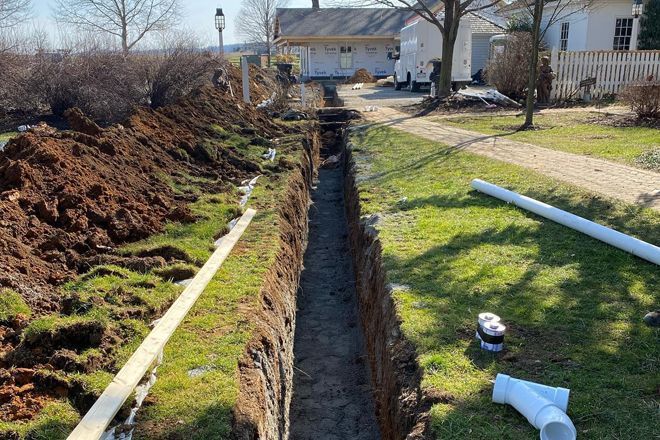
Your sewer l ine is the one system in your house you never see and never think about until the day it forces the issue. Shoemaker Heating and Cooling LLC, based in Honey Brook, PA at (610)-371-3595, is expanding into sewer and drain services because so much of the housing we already work in every day is exactly the housing where sewer laterals fail: homes old enough that the original pipe has been underground for 60, 80, sometimes 100 years. Chester County has plenty of it. The county’s boroughs and older townships grew in waves, from the steel era neighborhoods around Coatesville to the century old blocks of West Chester and Downingtown to the farmhouses scattered across the western county. Homes built before roughly the 1980s commonly connect to the street through clay or cast iron laterals. Clay joints separate and invite roots. Cast iron corrodes and flattens from the bottom out. Neither fails suddenly. Both fail gradually, and they broadcast warnings for months or years before the backup that ends up in your basement. Here is what to watch for. The 7 Warning Signs 1. Multiple slow drains at the same time One slow sink is a clog in that fixture’s branch line. Slow drains in the bathroom, kitchen, and laundry at the same time point to a restriction in the main line every fixture shares. That distinction is the single most useful diagnostic a homeowner can make on their own. 2. Gurgling from drains or the toilet Gurgling means air is being pulled through water traps because the main line cannot vent or drain freely. A toilet that gurgles when the washing machine drains is a classic early sign of a partial main line blockage. 3. Sewage odor inside or outside A properly sealed and vented sewer system is odorless. Persistent sewer smell in the basement, near floor drains, or in a specific stretch of the yard means gases or wastewater are escaping somewhere they should not be. 4. Unusually green or soggy patches in the yard A leaking lateral fertilizes and waters the grass above it. A stripe of suspiciously lush lawn, or a soggy spot that never dries even in an August dry spell, often traces the exact path of a failing pipe. 5. Backups at the lowest drain in the house When the main line blocks, wastewater exits at the lowest opening available, usually a basement floor drain or the tub in a ground floor bathroom. Water appearing there when upstairs fixtures run is a main line problem announcing itself. 6. Repeated clogs in the same line despite clearing A drain that keeps re clogging after snaking is telling you the problem is structural. Roots regrow through the same joint, and a sagging or partially collapsed section re collects debris in the same spot every time. Clearing treats the symptom. A camera inspection finds the cause. 7. Cracks in the foundation paired with drain trouble A long leaking lateral can wash out soil under and around a foundation. Drain problems that show up alongside new settlement cracks or sinking exterior flatwork deserve prompt professional attention, because the fix gets more expensive the longer the soil keeps moving. Why Older Homes Around Here Carry Higher Risk Two ingredients do most of the damage: pipe age and mature trees, and older Chester County neighborhoods have both in abundance. Clay laterals from the early and mid twentieth century have joints every few feet, and the street trees that make these blocks beautiful send roots straight to the moisture those joints leak. The U.S. Environmental Protection Agency notes that aging private laterals and onsite systems are among the most overlooked components of household infrastructure, and the private lateral is the homeowner’s responsibility, not the municipality’s, right up to the main. What Smart Next Steps Look Like If you recognize two or more of the signs above, the right move is a camera inspection, not another round of drain cleaner. A camera run through the lateral shows exactly what is happening and where: roots at a joint, a belly holding water, a corroded flat spot, or a clean line that just needed a proper clearing. From there the options range from targeted spot repair to trenchless lining to full replacement, and an honest assessment starts with actual footage rather than guesswork. Shoemaker’s home services team brings the same approach to sewer and drain work that our customers have known for two decades of heating and cooling: written estimates before work begins, straight answers, and emergency response when a backup will not wait. Ask about pairing a drain check with your seasonal maintenance visits, and as always our heating and cooling services remain a call away at (610)-371-3595. Frequently Asked Questions Sewer Line Problems in Older Homes How do I know if a clog is in my sewer main or just one drain? Count the affected fixtures. One slow or clogged fixture means a branch line problem local to it. Multiple fixtures acting up together, gurgling between fixtures, or water rising at the basement floor drain when something upstairs runs all point to the shared main line. Main line symptoms deserve a camera inspection rather than repeated snaking. Who is responsible for the sewer line at my home? In most Pennsylvania municipalities the homeowner owns and maintains the private lateral from the house to the connection at the municipal main, and the municipality or authority maintains the main itself. That means root intrusion, cracks, and collapses in the lateral are the homeowner’s cost to address, which is why catching problems early matters so much. How much does a sewer camera inspection cost? A camera inspection is a modest flat rate service, and Shoemaker provides current pricing when you call (610) 671-3595. It is the single best value in sewer diagnostics because it replaces guesswork with footage, and if repairs are needed the inspection tells you exactly how targeted they can be. Can tree roots really break a sewer pipe? Roots rarely break a sound pipe, but they aggressively exploit pipes that are already leaking. Clay joints and cracked sections release moisture into the soil, roots follow the moisture in, and once inside they expand, catch debris, and eventually widen the opening. Older clay laterals under mature street trees are the classic combination in this region’s older neighborhoods. Does a failing sewer line always mean full replacement? No. Camera footage frequently shows a problem confined to one or two spots, which can mean a targeted excavation and repair or a trenchless lining of the damaged section rather than digging up the whole yard. Full replacement is the answer for lines that are failing throughout, and honest footage based assessment tells you which situation you have.
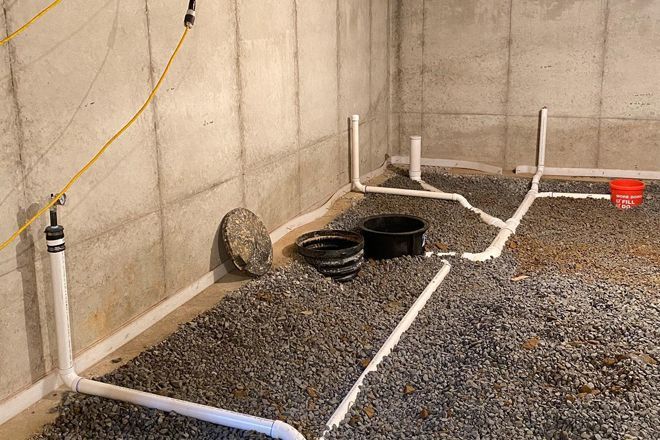
August in this part of Pennsylvania is dry lawns and empty rain gutters waiting for their season to start. Shoemaker Heating and Cooling LLC, based in Honey Brook, PA at (610) 671-3595, is expanding into outdoor drainage and sump services, and late summer is exactly when this work should happen: while the ground is dry, the weather is cooperative, and the fall rain season has not started grading your homework yet. The pattern is dependable across Lancaster and Chester Counties alike. September through November brings soaking multi day rains and the remnants of tropical systems, the water table climbs, and every sump pump, downspout, and yard drain gets tested at once. The homes that come through dry are almost never lucky. They are prepared. Start With the Sump Pump, Because It Is the Last Line of Defense Test it now. Pour a bucket of water into the pit and confirm the float rises, the pump kicks on, and water actually leaves through the discharge line. Check the pump’s age. Most sump pumps last 7 to 10 years, and a pump installed when your kids were in elementary school is running on borrowed time. Listen to it run. Grinding, rattling, or a pump that hums without moving water means the motor or impeller is on its way out. Confirm the check valve works. Water rushing back into the pit when the pump stops doubles the pump’s workload every cycle. Consider battery backup. The same storms that flood basements knock out power, and a primary pump with no backup protects you from everything except the storm that matters most. Then Work the Water Before It Reaches the House A sump pump that runs constantly is usually solving a problem the yard created. The cheapest gallon of water to manage is the one that never reaches your foundation, and outdoor drainage is where that battle is won. Clean gutters and confirm downspouts discharge at least several feet from the foundation, with extensions or buried drains carrying water farther on flat lots. Walk the yard during the next hard rain and note where water stands or flows toward the house. That map is the design brief for any drainage fix. Check grading against the foundation. Soil should slope away from the house, and beds that have built up over years of mulching often slope the wrong way. Look at driveways, walkways, and patios. Settled flatwork that pitches toward the house delivers roof and surface water directly to the foundation line. French drains, channel drains, and dry wells each solve specific problems. Matching the fix to the actual water path beats installing hardware on a guess. The U.S. Environmental Protection Agency’s Soak Up the Rain program makes the same point from the stormwater side: managing roof and yard runoff where it falls protects foundations, basements, and local waterways at the same time, and simple measures like downspout redirection are among the highest value improvements a homeowner can make. Why Homes in This Region Should Take This Seriously The housing across Lancaster and Chester Counties makes fall readiness less optional than it might be elsewhere. The boroughs hold homes with decades old foundations and stone basements that were never truly dry to begin with. The farm country from Honey Brook out through the eastern Lancaster towns adds farmhouses on original foundations and newer developments built on former fields, where compacted soils and altered drainage send water in directions the land never used to take it. And underneath much of it sits clay heavy soil that absorbs slowly and sheds saturated water sideways toward basements. The stone basement that stayed mostly dry all summer and the new construction lot that pools at the back corner are both one October storm away from proving the point. Shoemaker’s home services team handles sump pump testing and replacement, battery backup installation, downspout and yard drainage work, and honest assessments of where your water is actually coming from. If a storm gets ahead of you and the basement is taking water, our emergency response line is answered around the clock. Fall readiness pairs naturally with seasonal maintenance on the heating side, and our heating and cooling customers already know the number: (610) 671-3595. Frequently Asked Questions Sump Pumps and Outdoor Drainage How often should I test my sump pump? Quarterly is the safe rhythm, with one mandatory test in late summer before fall rains arrive. The test takes five minutes: pour water into the pit until the float triggers, watch the pump evacuate the water, and confirm nothing flows back in after it stops. A pump that fails that test in August fails it in October with a storm overhead. How long do sump pumps last? Most residential sump pumps last 7 to 10 years, with heavily used pumps in wet lots wearing out faster. Age, frequent cycling, and any change in sound are the practical replacement signals. Because failure tends to happen during exactly the storm you need the pump for, replacing on schedule beats replacing after a flooded basement. Do I need a battery backup sump pump? If your basement has ever taken water and your area loses power in storms, yes. The heaviest rain events and power outages arrive together, which means the primary pump is most likely to be dead exactly when the pit is filling fastest. A battery backup or water powered backup covers that gap and typically costs far less than one basement cleanup. Why does my yard hold water near the foundation? The usual suspects are downspouts dumping roof water right at the foundation, grading that settled toward the house over the years, and clay soils that absorb slowly and shed water sideways. Walking the property during a hard rain shows the actual water paths, and the fix, whether regrading, downspout extensions, or a French drain, should follow that map rather than a one size approach. Does Shoemaker handle drainage and sump pump work? Yes. Shoemaker’s expanding home services team covers sump pump testing, replacement, and battery backups along with downspout and yard drainage solutions throughout Chester County and Lancaster County. Call (610) 671-3595 to schedule an assessment before fall rains arrive.
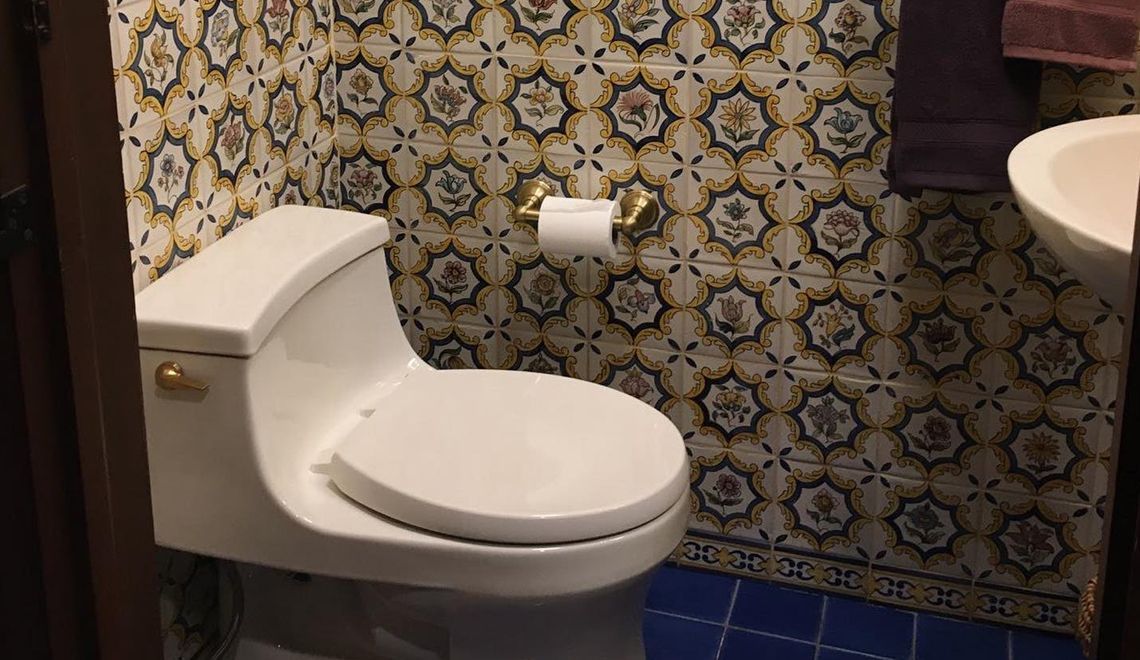
A toilet that runs between flushes is easy to tune out. It is also, quietly, one of the most expensive small problems in a house. Shoemaker Heating and Cooling LLC, based in Honey Brook, PA at (610) 671-3595, is expanding into toilet and plumbing repair, and the running toilet is the perfect example of why: it is cheap to fix, costly to ignore, and most homeowners have no idea which side of that trade they are living on. The U.S. Environmental Protection Agency’s WaterSense program estimates that a running toilet can waste up to 200 gallons of water per day. That is roughly 6,000 gallons a month from one bathroom, silently, around the clock, whether anyone is home or not. What That Means on a Water Bill, and What It Means on a Well For homes on public water, the math shows up on the quarterly bill as a mystery increase that nobody can explain until someone lifts the tank lid. Homes on private wells feel it differently, and this region has a lot of them: across the rural townships of western Chester County and out into the Lancaster County farm country, well water is the norm rather than the exception. On a well system, a running toilet makes the well pump cycle far more often to keep up with the constant draw, which burns electricity on every cycle and piles thousands of unnecessary run hours onto a pump that costs real money to replace. The waste never appears on any bill labeled as what it is. It just shows up as a higher electric bill now and an early pump replacement later. Why Toilets Run: The Usual Suspects A worn flapper The rubber flapper at the bottom of the tank hardens, warps, and stops sealing after a few years, letting water leak continuously from tank to bowl. It is the most common cause and the cheapest fix in plumbing. A misadjusted or failing fill valve If the fill valve does not shut off cleanly, water keeps feeding the tank and escaping down the overflow tube. You can often hear this one as a faint continuous hiss from the tank. A float set too high When the float is set above the overflow tube’s level, the tank can never fill to a stopping point, so the water runs forever by design. A simple adjustment ends it. A chain with the wrong slack Too tight and the flapper never fully seats. Too loose and the chain gets trapped under the flapper. Either way the seal fails intermittently, which is why some toilets only run sometimes. Mineral buildup and age Much of southeastern Pennsylvania sits on limestone, and the hard water that comes with it scales up fill valves and flapper seats over time. Toilet internals in this region tend to need attention a little sooner than the packaging promises, and well water households often see it soonest. The Two Minute Test Every Homeowner Should Know Put a few drops of food coloring in the tank, wait 15 to 20 minutes without flushing, and look at the bowl. Color in the bowl means the flapper is leaking and the toilet is running even if you cannot hear it. Silent leaks caught by this test are the ones that run for months unnoticed, and it costs nothing to check every toilet in the house this weekend. When to Repair the Toilet and When to Replace It Flappers, fill valves, floats, and chains are repair territory, and a properly rebuilt tank runs like new for years. Replacement earns its cost when the toilet itself is the problem: a cracked tank or bowl, repeated clogging from an early low flow design, a wobbly base that resealing has not cured, or an older high volume toilet using far more water per flush than a modern efficient model. We give you the honest math on both paths, and the decision stays yours. Shoemaker’s home services team handles toilet repairs, rebuilds, and replacements with the same approach our heating and cooling customers have counted on for two decades: written pricing before work starts and no invented urgency. An overflowing toilet or a supply line leak that will not stop is a different story, and our emergency line is answered around the clock. Quick toilet checks also pair well with a seasonal maintenance visit, and our heating and cooling services are always a call away at (610) 671-3595. Frequently Asked Questions Running Toilets and Toilet Repair How much water does a running toilet actually waste? The EPA’s WaterSense program puts a running toilet at up to 200 gallons per day, which compounds to roughly 6,000 gallons a month. Even smaller silent flapper leaks waste hundreds of gallons a week. On public water that lands on your bill directly, and on a private well it shows up as electricity use and premature wear on the well pump. Why does my toilet run for a few seconds by itself between flushes? That phantom flush is the tank refilling after water has slowly leaked past a worn flapper into the bowl. The tank level drops until the fill valve tops it off, then the cycle repeats. It is the signature of a flapper that needs replacing, and the food coloring test confirms it in 20 minutes. Can I fix a running toilet myself? Often, yes. Adjusting a float, resetting chain slack, and swapping a flapper are approachable for a handy homeowner, and we would rather tell you that than sell you a visit you did not need. Call us when the fix does not hold, when the fill valve or supply side is involved, when the toilet base is loose or leaking at the floor, or when you would simply rather have it done right in one visit. Why is my water bill suddenly high with no visible leak? A silently leaking toilet is the first thing to rule out, because it is the most common invisible water waster in a home. Run the food coloring test on every toilet. If they all pass, the next suspects are a dripping water heater relief valve, an irrigation leak, or a supply line issue, all of which are worth professional eyes promptly. Does Shoemaker repair and replace toilets? Yes. Toilet repair, tank rebuilds, and full replacement are part of Shoemaker’s expanding home services throughout Chester County and the surrounding region, with written pricing before any work begins. Call (610) 671-3595 to schedule.
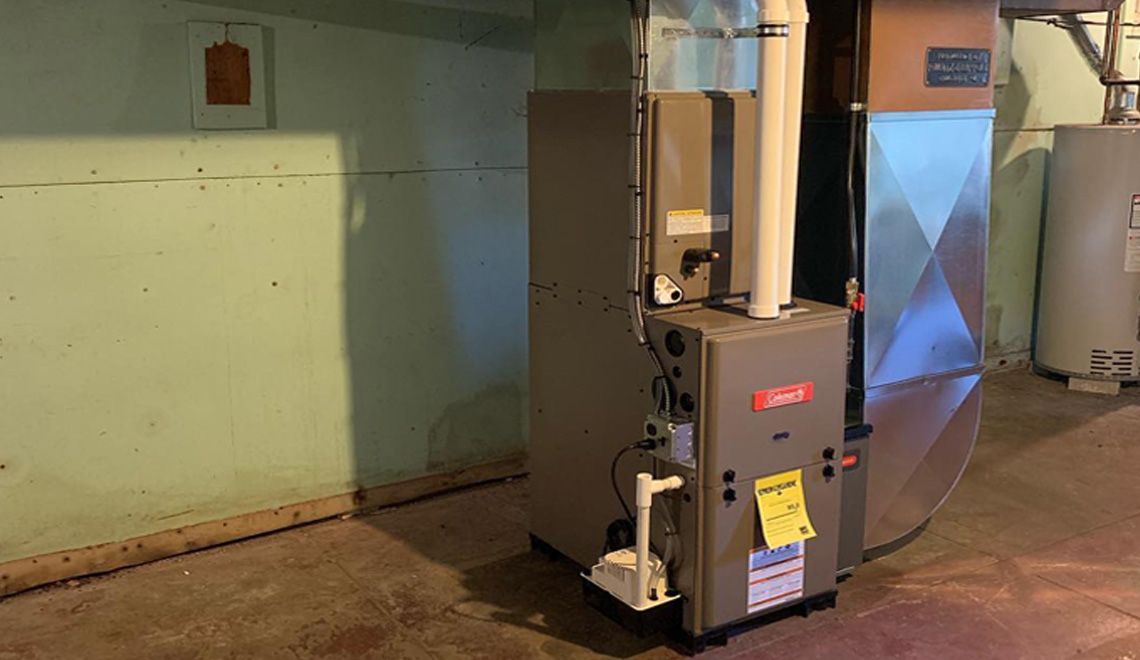
Quick answer: Schedule your furnace tune-up in September or early October, before Chester County’s first hard cold snap. Once nighttime temperatures drop into the 30s, HVAC companies get booked out and no-heat emergency calls take priority over routine maintenance, booking early means you’re seen on your schedule, not an emergency queue. Every fall, the same pattern plays out across Chester County: the first genuinely cold week hits, furnaces that have sat quiet since March get switched on, and a share of them don’t come on cleanly. Some of those calls could have been avoided with a 60-90 minute tune-up scheduled weeks earlier. The Ideal Window: September and Early October Once temperatures drop and no-heat calls start coming in, HVAC companies across the county get booked out, sometimes a week or more during the first real cold snap, which historically lands anywhere from late October through mid-November in this part of Pennsylvania. Scheduling your tune-up in September or early October means you get seen quickly, on your schedule, rather than waiting in line behind homeowners with an actual emergency. What Actually Happens During a Tune-Up A real tune-up isn’t a five-minute filter swap. Here’s what a thorough visit covers, and why each step matters: Heat exchanger inspection — checking for cracks that can allow carbon monoxide into your ductwork, a safety issue as much as a performance one Ignitor and flame sensor cleaning — a dirty flame sensor is one of the most common causes of a furnace that shuts itself off after briefly running Electrical connection check — loose or corroded connections are a leading cause of mid-winter no-heat calls, and they’re easy to catch and tighten in advance Blower motor and airflow test — confirms the system is actually moving enough air, since restricted airflow strains the whole system and raises energy costs Thermostat calibration — a miscalibrated thermostat causes the system to run longer than necessary, which shows up directly on your energy bill The Real Cost Comparison: Tune-Up vs. Emergency Repair This is the part most homeowners don’t think through until it’s too late — a planned tune-up and a mid-winter emergency call aren’t just different in convenience, they’re different in cost:
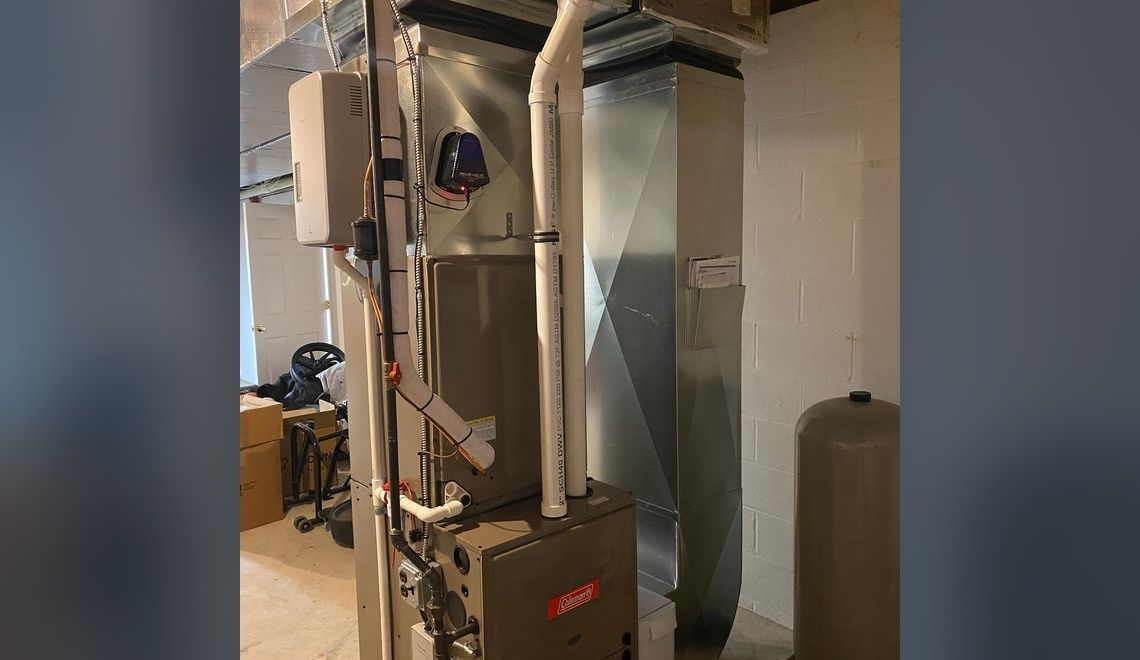
Quick answer: Most no-heat situations trace back to the thermostat, a tripped breaker, the furnace’s own switch, a clogged filter, or an empty fuel tank, check these five things first. If you smell gas, hear popping, or see soot, skip troubleshooting entirely and call immediately. Safety first: if you smell gas, hear unusual popping, or see soot around your furnace, don’t troubleshoot, leave the house and call your gas utility or 911, then us. The checks below are for a furnace that’s simply not producing heat, not for anything that smells or sounds wrong. Five Things to Check First Thermostat settings and batteries — confirm it’s set to “heat,” the temperature is set above room temperature, and replace batteries if the display looks dim or blank. Breakers and switches — check your electrical panel for a tripped breaker, and make sure the furnace’s dedicated power switch (often near the unit, looks like a light switch) hasn’t been bumped off. The furnace’s own reset switch — most furnaces have a small reset button; a single press is safe to try, but don’t press it repeatedly if it doesn’t hold. Air filter — a severely clogged filter can cause some systems to shut down as a safety precaution. Replace it if it’s visibly dirty. Fuel supply — for oil or propane systems, confirm you actually have fuel in the tank before assuming it’s a mechanical failure. Symptom-to-Cause Quick Reference
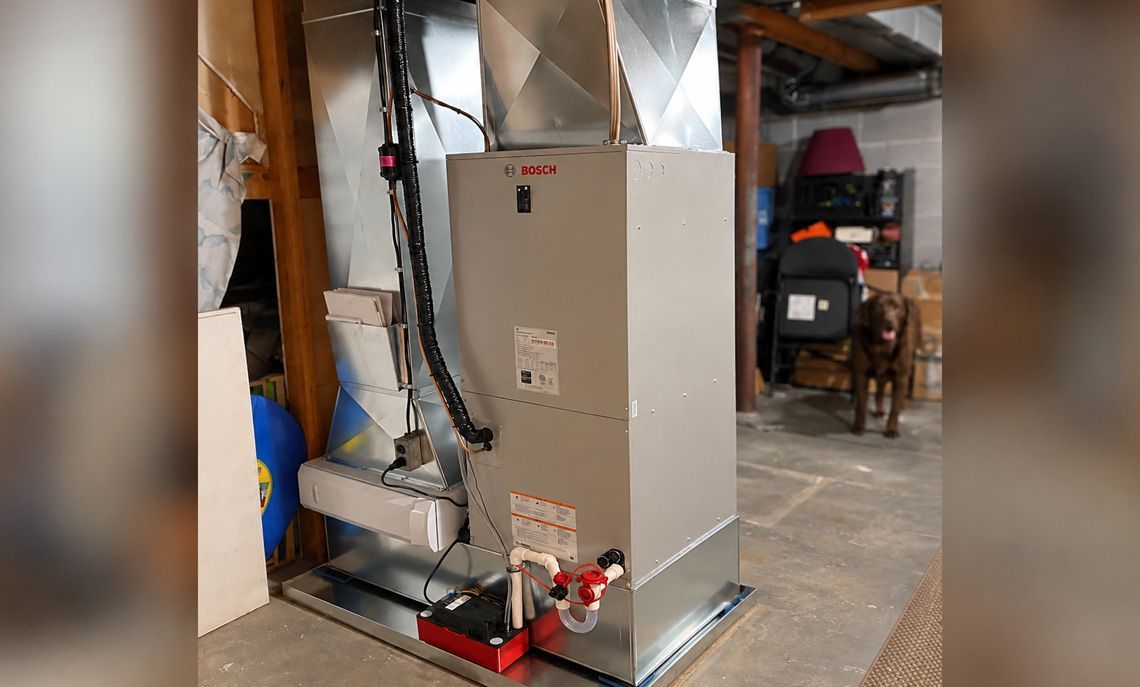
Quick answer: Furnace replacement cost depends mainly on fuel type, efficiency rating, and whether your existing ductwork needs modification, not just the unit itself. Oil and high-efficiency systems typically run higher than standard gas installs. The only way to get an accurate number for your home is a written estimate after an in-home assessment, not an online calculator. Furnace replacement is one of those costs nobody wants to guess at, and most online cost calculators are built for national averages that don’t reflect what a Chester County home, with its mix of older farmhouses, converted barns, and new construction, actually needs. Here’s what really drives the number. What Actually Determines Cost
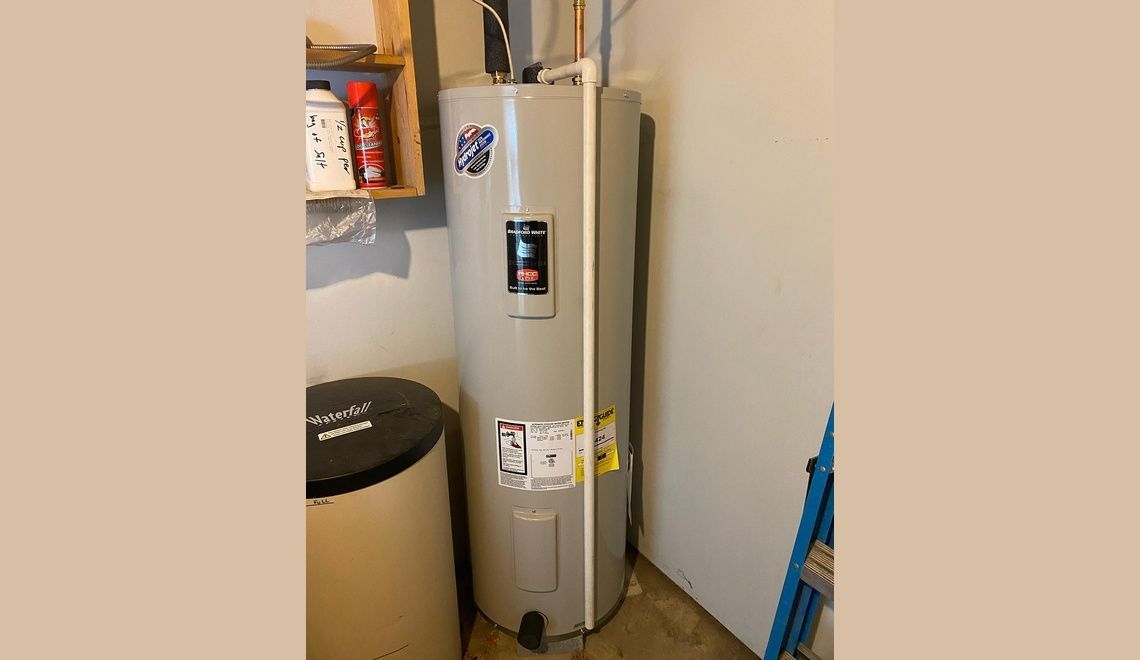
Quick answer: Rusty water, popping noises, moisture around the base, inconsistent hot water, and a tank older than 8-10 years are the top five warning signs a water heater is close to failing. Catching these before winter avoids a mid-season failure or flooding when a plumber is hardest to reach quickly. A failing water heater rarely announces itself with a dramatic burst tank, it usually gives warning signs for weeks first. Catching them before winter means a planned repair instead of a cold morning (or worse, a flooded basement) in January. 1. Rusty or Discolored Water Rust-colored water, especially from the hot tap only, often means the tank itself is corroding internally, typically from the inside out as the sacrificial anode rod wears down. This isn’t always fixable with repair, once the tank itself is compromised, replacement is usually the safer call, since a corroded tank is a matter of when, not if, it leaks. 2. Popping or Rumbling Noises These sounds usually mean sediment has built up at the bottom of the tank, which makes the heating element work harder and can accelerate wear on the tank itself. Sometimes a professional flush resolves it early; sometimes it’s a sign the tank is already past the point where flushing meaningfully helps, particularly on units that have never been flushed. 3. Water Pooling Around the Base Any moisture around the tank deserves immediate attention, a slow leak now often becomes a full tank failure later, and in Chester County’s colder months, a flooded basement is a much bigger problem than a delayed shower. Treat visible leaking as an emergency, not a wait-and-see. 4. Inconsistent or Insufficient Hot Water If hot water runs out faster than it used to, or temperature fluctuates unpredictably, a heating element, thermostat, or (on gas/propane units) a failing burner may be the cause, worth a repair diagnosis before it fails completely rather than living with cold showers. 5. It’s Over 8-10 Years Old Age alone isn’t a failure, but it changes the math: an aging tank nearing the end of its expected life is a much better candidate for planned replacement than a repair that just delays the inevitable by a few months. Tank vs. Tankless: Which Should You Replace With?
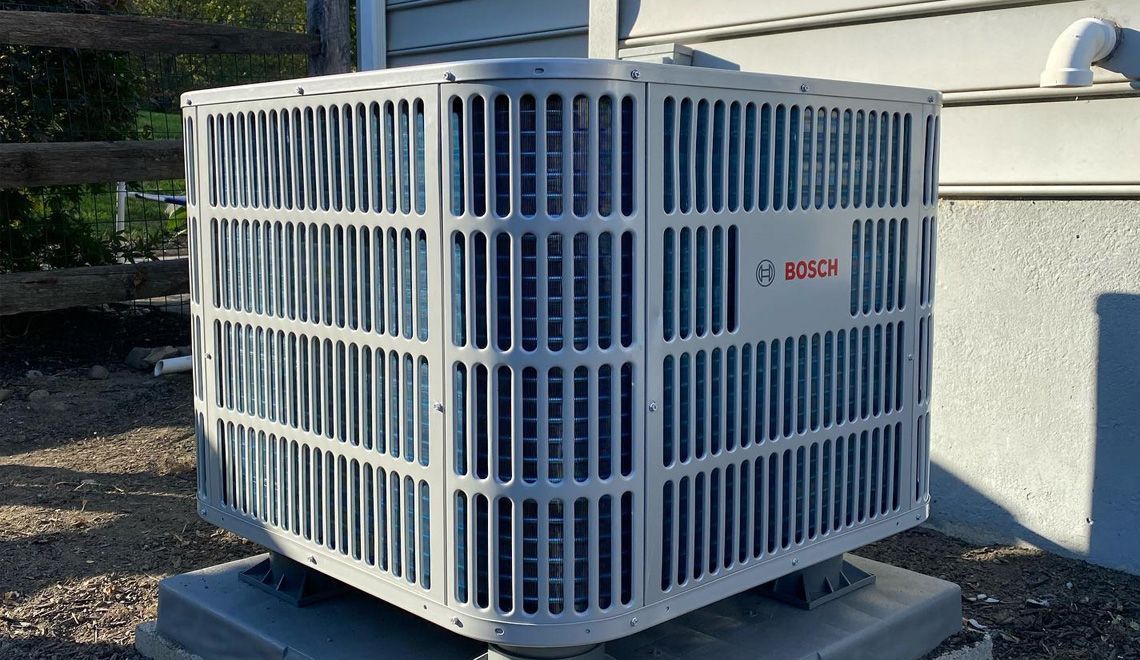
Here is the short answer, because you probably came for it. If your Glenmoore home has natural gas at the street, a dual fuel system is usually the strongest choice. If you are on propane or oil, a cold climate heat pump is often cheaper to run than what you have now. If your ductwork is undersized or your electrical panel is full, a high efficiency gas or propane furnace remains a perfectly sound decision and nobody should make you feel behind the times for choosing it. Shoemaker Heating and Cooling LLC, based in Honey Brook, PA at (610) 671-3595, installs heat pumps, dual fuel systems, furnaces and geothermal across Glenmoore, Wallace Township, East Nantmeal and West Brandywine. September is when this decision gets made well, because the equipment is available and the install date is days out rather than weeks. What a Cold Climate Heat Pump Actually Does in a Pennsylvania Winter A heat pump does not create heat. It moves heat, which is why it can deliver two to three units of heat for every unit of electricity it consumes. Even at 20 degrees outside there is usable heat energy in the air, and a cold climate unit with a variable speed compressor is built to extract it. The part installers should explain and often do not is the defrost cycle. Below roughly 40 degrees with moisture in the air, frost forms on the outdoor coil, so the system reverses itself to melt it and briefly blows cooler air indoors. Steam rising off the outdoor unit is the system working correctly, not failing. Homeowners who were not warned call it in every winter. The real limit is capacity. As outdoor temperature falls, heat pump output falls with it, while your home’s heat loss rises. The point where those two lines cross is the balance point, and below it something else has to make up the difference. When a Gas or Propane Furnace Is Still the Right Call A furnace produces its rated output at any outdoor temperature. Zero degrees does not care. For a home with high heat loss, an older envelope, or ductwork that cannot move the higher air volume a heat pump needs, that consistency is worth a lot. Ductwork is the constraint people underestimate. Heat pumps deliver air at a lower supply temperature than a furnace, so they need to move more of it to deliver the same heat. Push that through a duct system designed in 1985 for a furnace and you get high static pressure, noise, and rooms that never quite come up. Static pressure is measurable, it is part of a proper estimate, and it decides more heat pump installations than efficiency ratings do. Dual Fuel: The Middle Path Most Glenmoore Homes Land On Dual fuel puts a heat pump and a furnace on the same ductwork and lets a control decide which one runs. Above the balance point, typically set somewhere between 30 and 40 degrees, the heat pump carries the load efficiently. Below it, the furnace takes over and delivers full output on the handful of nights that actually demand it. This fits so many homes here because it removes both objections at once. You are not depending on a heat pump at 5 degrees, and you are not burning propane at 45 degrees when you did not have to. It also avoids electric resistance backup heat, which is the most expensive way to heat a house. The right answer depends on your fuel, your ductwork and your panel, which is what an estimate visit is for. Call (610) 671-3595 or start on our heating services page. If you are weighing a longer horizon investment, our geothermal systems deliver the highest efficiency available on properties with the land for a loop field. The Numbers That Actually Decide It Age of the existing equipment. Fifteen years is the benchmark where a heat pump or air conditioner moves into replacement territory, and 15 to 20 for a furnace. Much of the stock in Wallace and East Nantmeal Townships dates from the 1980s to the 2000s, which puts it in that window now. Whether you are replacing one system or two. If the furnace and the air conditioner are both aging, the comparison changes completely, because a heat pump or dual fuel setup replaces both. Replacing a failed air conditioner alone with a heat pump often costs little more than a like for like swap. Your fuel source. Glenmoore and the townships north and west of it are not uniformly served by natural gas mains. Propane and oil are common, and both cost well above natural gas per unit of delivered heat. A heat pump changes that math far more for a propane home than a gas one. Electrical capacity. A full 100 amp panel is a real constraint and a real cost, and it is the item most often left off a quote. Our electrical systems team checks service capacity during the estimate, not on install day. The Glenmoore Angle: Fuel, Land, and Older Envelopes Glenmoore sits in the rural northern stretch of the county, and the housing runs from stone farmhouses through 1980s and 1990s subdivisions to newer construction on larger lots. Three things follow. Many homes are off the gas main and on propane or oil, which improves the heat pump case. Many sit on enough land to make geothermal genuinely viable. And older stone envelopes have high heat loss that rewards measuring rather than guessing. Every one of those points to the same conclusion: this is a decision that should follow a Manual J load calculation and a static pressure reading, not a label on the old equipment. Cooling side questions get handled at the same visit through our air conditioning services, and our full coverage is listed on the service areas page. For independent efficiency guidance on equipment selection and right sizing, ENERGY STAR is a useful non commercial reference to read alongside any estimate you receive. Frequently Asked Questions on Heat Pumps and Furnaces in Glenmoore, PA Does a heat pump actually work in a Pennsylvania winter? Yes. Cold climate heat pumps rated for low ambient operation hold useful capacity well below freezing, which covers the large majority of Chester County heating hours. The honest limit is the coldest handful of nights each winter, when capacity falls and the system leans on backup heat. That is the specific problem dual fuel exists to solve. What is dual fuel and how does it decide which system runs? Dual fuel pairs a heat pump with a gas or propane furnace on the same ductwork. A control called a balance point setting runs the heat pump down to a chosen outdoor temperature, then hands off to the furnace below it. You get heat pump efficiency through most of the season and furnace output on the coldest nights, without either system working outside its strength. How old does my system need to be before replacement makes sense? The useful benchmarks are 15 years for an air conditioner or heat pump and 15 to 20 for a furnace, with the caveat that age alone does not decide it. A system past 15 years facing a repair that is a meaningful fraction of replacement cost, especially a compressor or a heat exchanger, is a replacement conversation. A younger system with its first real repair is not. Do I need an electrical service upgrade for a heat pump? Sometimes, and it is the cost most often missed at quoting time. A heat pump with electric backup strip heat can add substantial load, and many Glenmoore area homes on 100 amp service do not have the headroom. Dual fuel usually avoids the problem entirely, because the furnace carries the coldest load instead of resistance heat. Shoemaker checks the panel as part of the estimate. Does Shoemaker install heat pumps and dual fuel systems in Glenmoore? Yes. Shoemaker Heating and Cooling installs cold climate heat pumps, dual fuel systems, gas and propane furnaces, and geothermal throughout Glenmoore, Wallace Township, East Nantmeal and West Brandywine, along with all of Chester County. Call (610) 671-3595 for a free estimate that includes a load calculation rather than a nameplate swap.
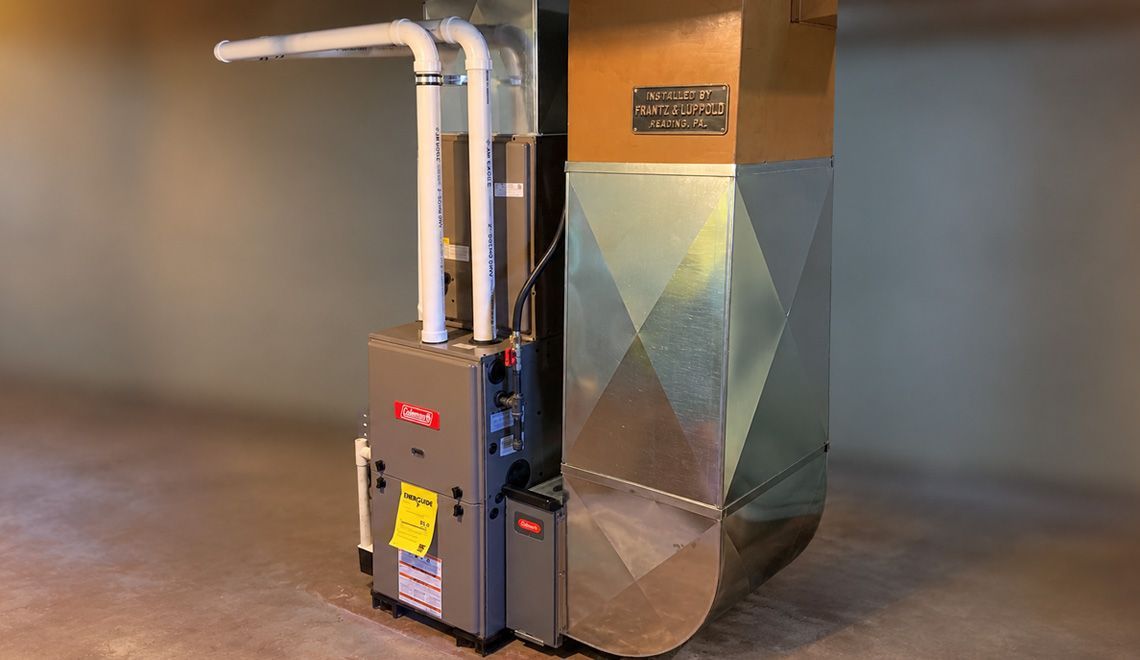
The first genuinely cold night in Chester County usually lands in the first half of October, and it is the single busiest night of the year for heating calls. Shoemaker Heating and Cooling LLC, based in Honey Brook, PA at (610) 671-3595, provides furnace repair, heating installation and emergency heating service across Coatesville, Caln Township, Valley Township and Sadsbury Township. Every year the same thing happens: thousands of furnaces that have not run since March fire up within a few hours of each other, and a predictable share of them do something alarming. Most of what your furnace does on that first night is normal. Some of it is not. The difference matters, because two of the symptoms below are harmless and two of them are reasons to shut the system off. What the First Fire of the Season Actually Does to a Furnace A furnace that has sat idle for seven months is not the same machine it was in March. Dust has settled on the heat exchanger, the flame sensor has oxidized, lubricants have migrated off bearings, and rubber and metal have gone through a full summer of expansion and contraction. The first cycle asks all of it to work at once. That is why first fire failures cluster. The component was not failing in March. It failed over the summer, quietly, and the first cold night is simply when you find out. The Burning Smell: When It Is Dust and When It Is Not A dusty, slightly scorched smell in the first fifteen to thirty minutes is the most common call we get in October, and it is almost always harmless. Dust that settled on the heat exchanger surfaces is burning off. Open a couple of windows, let it run, and it should clear and not return. Three smells are not dust. A sharp, acrid, plastic or fish like smell points to overheating electrical insulation, usually at the blower motor or a control board. A smell like rotten eggs is the odorant added to natural gas and propane, which means leave the house first and call from outside. And a smell that comes back on every cycle, days into the season, means something is genuinely getting hot that should not be. Banging, Booming, and Delayed Ignition A single loud boom a few seconds after the burners try to light is the symptom on this list that worries us most. It is called delayed ignition, and it means gas is accumulating in the burner compartment before something finally sets it off. The resulting pressure wave hits the heat exchanger every time it happens. This matters because the heat exchanger is the wall between combustion gases and the air you breathe. A crack in it lets carbon monoxide into the supply air. Delayed ignition is usually caused by dirty burners, a weak igniter, or incorrect gas pressure, and all three are correctable. What is not correctable is a heat exchanger that has been booming for a full winter. Rattling and vibration at startup are different and far less serious. Those are usually loose duct connections or a blower wheel out of balance. The Furnace Starts, Then Shuts Down After a Few Minutes Short cycling on the first night is almost never the furnace giving up. It is a safety control working correctly, and the useful question is which one. A filter that has been in place since spring restricts return air, the heat exchanger overheats, and the high limit switch shuts the burners down. A flame sensor coated in a summer of oxidation stops proving flame, so the control board closes the gas valve within seconds. A flue blocked by a bird nest or debris trips the pressure switch before the burners ever light. A condensate drain on a high efficiency unit that dried out and clogged trips the float switch. All four are inexpensive. All four look identical from the thermostat. None of them improve by cycling the system twenty more times. If your furnace is doing any of this, a diagnostic visit is the right next step and September is the month to get one on the calendar. Call (610) 671-3595 or book through our heating services page. A pre season heating tune up catches most of these before the first cold night instead of during it. Why Coatesville Homes See This Pattern Coatesville and the townships around it hold an unusually wide range of housing for one market. The city itself has mill era rowhomes and twins, many with boilers converted to forced air or furnaces retrofitted into duct systems that were never designed for them. Caln and Valley Townships added waves of construction from the 1970s through the 2000s, which puts a large share of that equipment squarely in the 15 to 30 year replacement window right now. Sadsbury and the western edge run toward propane and oil rather than natural gas, which brings its own set of first fire behavior. The pattern that ties them together is age. An older retrofitted system and a 1990s furnace both spent the summer sitting still, and both are being asked to prove themselves on the same October night. One local note worth stating plainly. Searches for furnace and heater repair in Coatesville currently land on our air conditioning page, because that is the page that exists for this town. The heating work has always been there. Full details are on our heating services page, and if the heat goes out entirely our emergency HVAC service team covers Coatesville and the surrounding townships along with the rest of our service areas. For the mechanical background on why annual inspection of combustion heating equipment matters, ENERGY STAR covers the efficiency and maintenance side in plain terms. Frequently Asked Questions on First Cold Night Furnace Problems in Coatesville, PA Why does my furnace smell like something is burning when I first turn it on? In most cases it is dust. Fine household dust settles on the heat exchanger and burner assembly over seven months of no use, and it burns off in the first fifteen to thirty minutes of operation. That smell should fade and not come back. A burning smell that persists past the first hour, smells sharp or electrical, or returns every cycle is not dust and needs to be looked at before you run the system again. Is a banging sound when the furnace starts dangerous? It can be. A single loud boom a few seconds after the burners light is delayed ignition, which means gas is pooling in the burner compartment before it catches. That pressure wave stresses the heat exchanger, and a cracked heat exchanger is the failure that puts carbon monoxide into your air supply. Delayed ignition is a stop using it and call situation, not a wait and see one. Call (610) 671-3595. My furnace runs for a few minutes and then shuts off. What is wrong? That pattern is called short cycling and it usually means a safety control is doing its job. The most common causes are a clogged filter starving the blower of return air, a dirty flame sensor that stops proving flame, a blocked flue, or a limit switch tripping on high temperature. All four are inexpensive to correct and all four get worse if the system keeps trying. Should I have the furnace checked before the first cold night or after? Before. A furnace that has sat idle since March has not proven it will light, and September is the last stretch where you can get a normal appointment slot in Coatesville. Once the first genuinely cold night arrives in October, every furnace in Chester County fires at once and the ones that fail all call the same week. Does Shoemaker offer emergency heating repair in Coatesville? Yes. Shoemaker Heating and Cooling provides emergency heating service throughout Coatesville, Caln Township, Valley Township, and Sadsbury Township, along with all of Chester County. If you have no heat or you smell gas, call (610) 671-3595.


